Small Stakes, Big Clues: A $7 Field Guide to Auditing Game Libraries in 2026

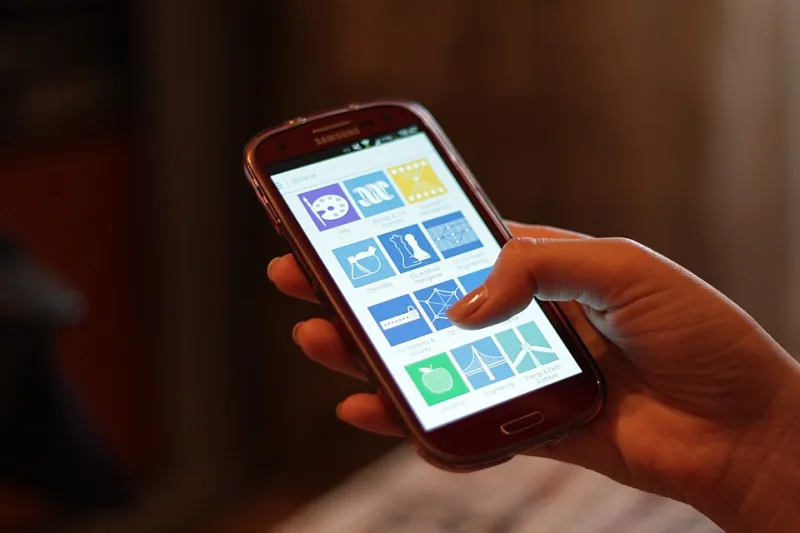
Photo: Japanexperterna.se from Japan, CC BY-SA 2.0, via Wikimedia Commons
A polished lobby is the gaming equivalent of a restaurant with great lighting and a menu full of stock photos. It tells you something. It just does not tell you enough. For US players comparing platforms in 2026, the smarter move is to stop grading sites on vibe alone and start running a small, structured field test. Enter the $7 test: a low-stakes audit that uses a tiny budget and a short checklist to expose how a game library actually works.
Why a Tiny Budget Tells a Big Story
Seven dollars is not a bankroll. In most US cities, it is less than a fancy coffee and a bagel. That is exactly why it works as a measuring tool. You are not trying to win anything meaningful. You are trying to see how quickly you can find games, understand what you are playing, and move through a session without friction.
The $7 test is not a betting system and it is not a shortcut to guaranteed wins. It is a comparison method. Treat it like a test drive at a dealership: you do not need to buy the car to notice whether the steering feels weird.
Step 1: Set the Budget and the Rules Before You Log In
Pick a total of $7 and lock it. Divide it into small samples, such as seven $1 sessions or five $1 sessions plus a $2 table-game check. Write down your start time, your stop time, and the categories you plan to sample. This keeps the test honest.
Do not chase losses during the audit. If a sample goes badly, note it and move on. The goal is information, not entertainment maximization. A platform that makes you forget the clock during a $1 test is giving you useful data, but so is one that makes every menu feel like a maze.
Step 2: Sample the Library Across Categories
Do not just play the three tiles on the homepage. Those tiles are often the flashiest games, not the most representative ones. Try slots, table games, instant-style titles, live dealer options if available, and jackpot-style games. Keep your samples roughly equal so one category does not dominate your impression.
During this step, ask whether the library has depth or just padding. A site with hundreds of reskinned titles can look huge on paper and feel thin in practice. A smaller library with distinct mechanics, clear categories, and useful descriptions can be the better player experience.
Step 3: Put Search and Filters Through a Real Workout
Search for something specific: a provider, a mechanic, a volatility level, or a game style. Try filters for high volatility, bonus features, mobile-friendly titles, or recently added games. Count how many taps it takes to get from the lobby to a playable game.
Good filters feel like a well-organized toolbox. Bad filters feel like digging through a junk drawer with oven mitts on. If a platform claims to have a massive library but cannot help you find the corner of it you actually want, that is a red flag for everyday use.
Step 4: Check Demo Access and RTP Transparency
Demo modes are not just for beginners. They are a sign that a platform wants players to understand a game before spending. If demo access is buried, missing, or inconsistent across categories, note it. If it is clearly labeled and easy to launch, that is a point in the platform's favor.
RTP information should also be easy to find where it is available. Not every game will present the same level of detail, and disclosure can vary by provider. The question is whether you need a scavenger hunt to find basic information. FB777 Pro reviews often flag these details, but your own eyes during a $7 test can confirm what the marketing page leaves out.
Step 5: Test Mobile Performance in Real Conditions
Run at least part of the test on your phone. Switch from Wi-Fi to cellular once. Rotate the screen. Check loading times, button size, lag, and whether pop-ups interrupt the session. A game can look great on a big monitor and feel clumsy on a bus or during a lunch break.
Mobile flow matters because many US players do not sit at a desk to play. They squeeze sessions into real life. If the mobile version feels like a shrunken desktop site, that is a practical drawback no flashy homepage can hide.
Step 6: Watch Session Flow and the Cash-Out Path
Can you find your balance, game history, limits, and cash-out options without diving through five menus? Is there a clear session timer or responsible-play setting? Does the platform spam you with pop-ups, or does it get out of your way?
The best platform is not always the loudest one. It is the one that makes the important buttons obvious and the noisy buttons optional. During your $7 test, pay attention to how the site behaves when you are not actively spinning or dealing. That is where friction usually shows up.
The $7 Scorecard
Use a simple one-to-five score for each category:
- Library depth: Are there distinct games or just endless reskins?
- Filter quality: Can you find what you want quickly?
- Demo access: Are free-play options clear and consistent?
- RTP transparency: Is basic game information easy to locate?
- Mobile performance: Does the site feel stable and usable on a phone?
- Session flow: Are balance, limits, and cash-out paths easy to find?
- Overall friction: Did the platform help you play, or did it fight you?
A site that scores well on these points is more interesting than one with a flashy bonus banner and a confusing library. The $7 test will not tell you everything. It cannot prove payout speed or customer support quality. But it can tell you whether a library is built for discovery or just decoration.
Run the test on two or three platforms and compare notes. The flashy lobby might still win your attention, but the game library has to win your session.